A continuous glucose monitor (CGM) can be an uncomfortable little truth machine.
You eat something that’s marketed as “healthy”—granola, a smoothie, kombucha, a protein bar—and the line on your phone climbs fast. For a lot of people, that’s the first time they realize: “healthy” as a label isn’t the same thing as “gentle on my blood sugar.”
CGMs don’t judge the food. They just show what your body did with it.
What CGM patterns are commonly revealing
Across CGM-based writeups and aggregated user logs, a common theme shows up: foods that look wholesome on the surface can still behave like fast carbs in your body.
A few patterns mentioned repeatedly in CGM-oriented summaries:
- Granola and some cereals: Often a mix of oats + sweeteners (honey, syrups, dried fruit) + sometimes not much protein. Even when the ingredients seem “natural,” the total carbohydrate load can be high, and the texture is easy to eat quickly.
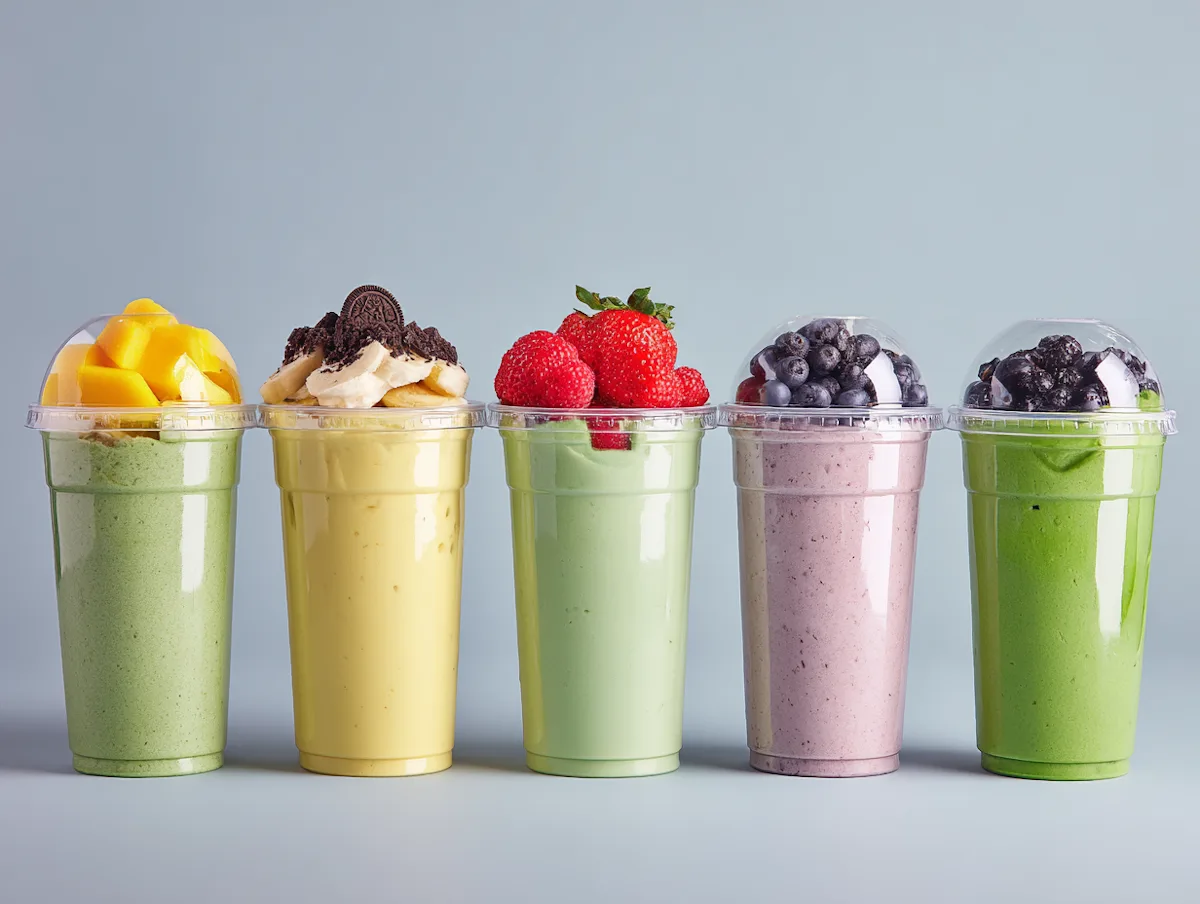
- Smoothies: Blending can make fruit (and sometimes oats, dates, juice, or sweetened yogurt) easier to digest fast. A smoothie can concentrate several servings of carbs into one drinkable portion.
- Kombucha: Some brands are low sugar, others aren’t. Either way, it’s easy to drink quickly and on an empty stomach, which can amplify the rise.
- Protein bars: Many have a “health halo,” but some are effectively candy with added protein—using syrups, refined starches, and sugar alcohol blends that affect people differently.
Several CGM platforms explicitly call out “healthy foods” that can spike—often because of total carbs, added sugars, or how processed/rapidly absorbed the carbs are. Levels, for example, describes worst-offender patterns using aggregated CGM logs and scores (their own scoring system) to highlight foods that frequently produce large rises in users.
Why these snacks spike (mechanisms, in plain language)
A glucose spike is usually some combination of two things:
- How much glucose enters your blood, and how fast
Fast-in, fast-up tends to happen when:
- The snack is high in rapidly digested carbs (refined grains, syrups, sugars).
- The snack is “pre-processed” (ground, puffed, blended, cooked soft), which often reduces the work your digestion has to do.
- There’s not much fiber, protein, or fat to slow absorption.
This is one reason “whole” ingredients can still act “fast” once they’re turned into something easy to chew or drink.
- How your body handles that incoming glucose
Two people can eat the exact same snack and see very different CGM curves.
Reasons include differences in:
- Insulin sensitivity (how responsive your cells are to insulin)
- Muscle mass and recent activity (muscles can soak up glucose more readily, especially after exercise)
- Sleep and stress (both can shift glucose dynamics)
- Timing and context (empty stomach vs. after a meal; morning vs. evening)
So CGMs often reveal something that’s easy to miss in nutrition debates: the response is personal.
A note on “healthy” snacks that are especially deceptive
The most deceptive snacks tend to have one of these features:
- “Natural sugar” that’s still sugar in total dose (honey, maple syrup, dates, dried fruit).
- Liquid calories (juice, sweetened coffee drinks, smoothies) that can be consumed quickly.
- A carb base with minimal buffering (granola without enough protein/fat, flavored yogurts with added sugar).
Some CGM education articles list flavored yogurts as a classic example: marketed as healthy, but often containing substantial added sugar and net carbs that can drive spikes.
What CGMs can’t tell you (important limits)
CGMs are powerful, but they’re not a complete health verdict.
- A single spike doesn’t prove a food is “bad.” Context matters: portion size, what else you ate, and what you did afterward.
- CGMs measure glucose, not insulin. Two foods could produce similar glucose curves but different insulin demands.
- Consumer CGM insights are often based on observational app logs, not randomized controlled trials. Useful for pattern-spotting, weaker for proving cause-and-effect.
The honest takeaway is: CGMs are best at showing your personal response and helping you notice repeatable patterns—not at delivering universal rules.
A grounded way to interpret the “healthy snack spike” problem
If you’re seeing spikes from “healthy” snacks, it usually means the snack is functioning like a fast-carb dose for you in that moment.
Common CGM-informed suggestions in these guides revolve around changing the context rather than moralizing the food:
- Pair carbs with fiber/protein/fat (for example, fruit with something that slows absorption).
- Watch liquid carbs and blended foods, since they can hit faster.
- Be skeptical of health halos; check total carbs and added sugars.
None of this requires perfection. It’s just pattern recognition.
Sources
- https://iheald.com/blogs/hidden-sugar-spikes-cgm-data-reveals-healthy-foods
- https://www.sibionicscgm.com/a/blog/beware-these-10-sneaky-carb-culprits-causing-blood-glucose-spikes-1?srsltid=AfmBOoqRPKALHo8CyXz6m0ukuIBe6dcRRCJjmCn4WWj-AJPJkXxnD48Y
- https://www.levels.com/blog/10-of-the-worst-foods-for-blood-sugar-according-to-cgm-data
- https://www.lupindiagnostics.com/blog/lifestyle/healthy-snacks-that-won-t-spike-your-blood-sugar-a-smart-guide-for-cgm-users
- https://www.signos.com/blog/spike-healthy-foods?srsltid=AfmBOorza5XvSFG82jw384cv6PLhtRkN_JQiV_kcK63_xkrK4uxK8uQR