Understanding Health
Explore the ideas, evidence, and questions shaping health today.

5 Signs you're Struggling with Anxiety + 3 Ways to Overcome It
High-functioning anxiety can look like success on the outside and pressure on the inside. This article translates the video into a practical guide: five common patterns to notice and three grounded strategies to regain calm, confidence, and control.
Read more

Sleep Duration and Long-Term Health Outcomes
A grounded look at what large observational research and major reviews suggest about sleep duration (short and long) and long-term risks like cardiometabolic disease and mortality—and what these patterns can and cannot prove.
Read more

30 Days of Gratitude Linked to Lower Inflammation
A small body of research suggests that regularly practicing gratitude—often through journaling—can shift stress, mood, and some inflammatory biomarkers. The signal is promising, but the evidence is still early and not definitive.
Read more

Nature Exposure and Stress Reduction
What research suggests about how time in natural environments (and even virtual nature) relates to stress, anxiety, and mood—and what the evidence can and can’t prove.
Read more

How Financial Stress Quietly Affects Your Health
Financial stress isn’t just “in your head.” It can change sleep, mood, relationships, and even physical health—often through chronic stress pathways and the daily trade-offs people make when money feels tight. Here’s what it is, what it tends to do, and what’s still uncertain.
Read more
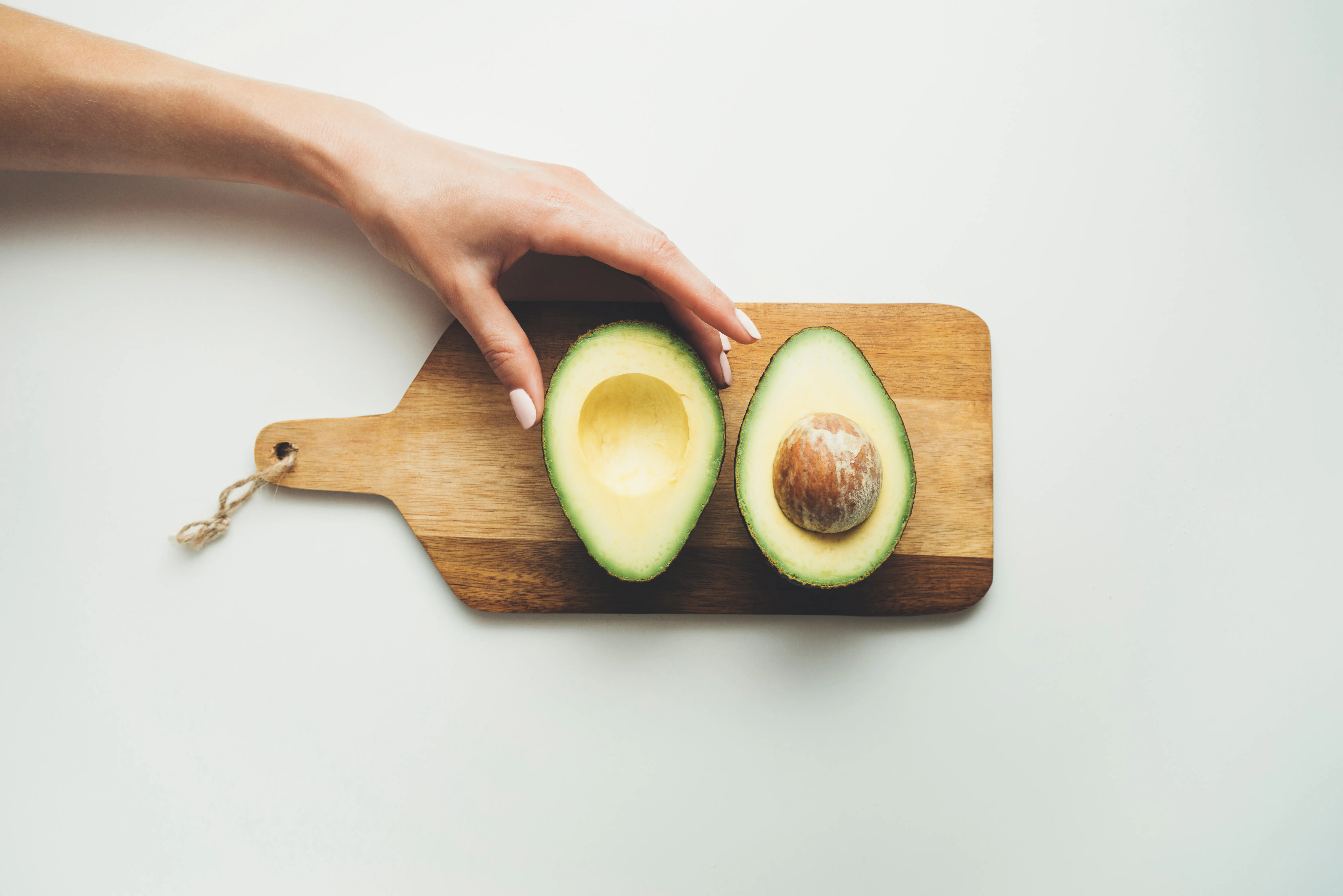
Low-Carb Diets Reverse Fatty Liver Faster Than Low-Fat
New randomized trials and reviews suggest carbohydrate restriction can reduce liver fat quickly—sometimes within about two weeks—often outperforming low-fat approaches, though long-term outcomes still depend on adherence, energy balance, and overall metabolic health.
Read more

Teen Screen Time Linked to Slower Cognitive Growth
A new MRI-based study discussed in June 2024 reporting suggests adolescents with internet addiction show measurable differences in brain activity tied to attention and executive control. This doesn’t prove screens “damage” the brain, but it adds weight to a specific concern: heavy, compulsive digital use may track with slower development of cognitive control systems during a sensitive neurodevelopmental window.
Read more

Why Late-Night Screens Hurt Next-Day Mood
Late-night screen use doesn’t just steal minutes of sleep. Newer circadian research suggests it can shift your internal clock and change how your brain transitions into (and out of) sleep—setting you up for flatter mood and lower emotional bandwidth the next day. The evidence is mixed on how harmful screens are for everyone, but the pattern is clear: timing, content, and light exposure matter.
Read more

CGMs Reveal Hidden Glucose Spikes in “Healthy” Snacks
CGM data often shows that “healthy” snacks like granola, smoothies, kombucha, and some protein bars can produce surprisingly large glucose rises—especially when they’re low in fiber, high in fast carbs, or effectively “pre-digested.” Here’s what CGMs can and can’t tell you, and why responses vary so much person to person.
Read more

Ultra-Processed Foods and Depression Risk
A large observational study reported that people who ate the most ultra-processed foods had about a 32% higher risk of developing depression compared to those who ate the least. This article explains what that result does (and doesn’t) mean, and why inflammation and metabolic disruption are plausible links—without pretending the study proves causation.
Read more

Ten Minutes in Nature Can Lower Cortisol
Even brief time in green space can measurably shift stress biology. Here’s what research says about short “nature doses,” cortisol changes, and what this does—and doesn’t—mean for everyday stress.
Read more

Intermittent Fasting Beats Low-Calorie Diets for Insulin Sensitivity
A new randomized trial adds to a growing body of evidence that time-restricted eating can improve insulin sensitivity markers (like fasting insulin and HOMA-IR) beyond what you’d expect from calorie cutting alone—though the size and durability of the effect still depend on the specific protocol and population studied.
Read more

Purpose-Driven Living Linked to Lower Mortality
A body of research consistently finds that people who report a stronger sense of purpose tend to live longer. Here’s what “17% lower all-cause mortality” actually means, what the studies can and can’t prove, and the most plausible pathways linking purpose to health.
Read more

Health Is Not One Thing — It’s a System
Health looks personal—food, sleep, workouts—but it’s also structural: housing, income, stress, access, incentives, and the way healthcare is organized. Seeing health as a system helps explain why “try harder” advice often fails, and where change actually becomes possible.
Read more

What It Really Means to Live Intentionally
Living intentionally isn’t about controlling every outcome or building a “perfect” routine. It’s about making choices on purpose—guided by your values, your priorities, and what you want your days to stand for—rather than drifting through habit, pressure, or default settings.
Read more

Why Human Connection Shapes Emotional Health
Human connection isn’t just “nice to have.” Feeling seen, supported, and included changes how our brains and bodies respond to stress, how we regulate emotions, and how resilient we feel over time. Here’s what research and clinical perspectives suggest about why connection matters, what loneliness does, and what “real connection” tends to include.
Read more

How Emotional Resilience Is Built Over Time
Emotional resilience isn’t a fixed personality trait. It’s a set of skills—like noticing emotions, regulating stress, and reaching for support—that strengthen through repetition, reflection, and real-life practice.
Read more

Why a Sense of Meaning Is Essential for Well-Being
Meaning isn’t a “nice-to-have” add-on to happiness—it’s a psychological resource that can steady people under stress, support mental health, and shape how daily experiences are interpreted. Research suggests that feeling life is coherent, significant, and directed is consistently linked with better well-being and can act as a protective factor when life gets hard.
Read more

What Actually Supports Mental Clarity in Daily Life
Mental clarity is less about a “perfect brain” and more about reducing avoidable noise: poor sleep, chronic stress, dehydration, erratic eating, and constant task-switching. This article breaks down what clarity tends to be, what commonly disrupts it, and a few practical levers that are low-risk and worth testing.
Read more

Sleep: The Most Underrated Pillar of Health
Sleep is often treated like a nice-to-have, but it quietly shapes how you feel, think, and recover—day after day. This article explains what sleep is doing in the background, why it affects both body and mind, and where common claims about sleep go beyond what the available sources can firmly support.
Read more